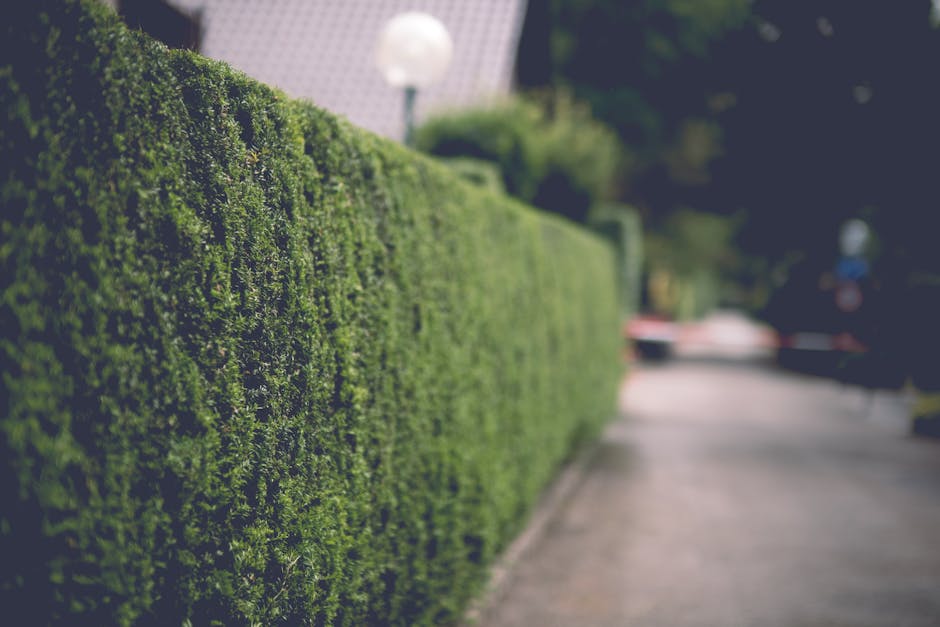
Expert gardeners near Plumstead Common lawn and hedge care
If your lawn is patchy, your hedge looks a bit tired, or the garden has slipped into that familiar "I'll deal with it next weekend" stage, you are not alone. Around Plumstead Common, gardens can pick up wear from shade, wind, busy family life, and the usual London mix of compacted soil and seasonal growth spurts. That is where expert gardeners near Plumstead Common lawn and hedge care become genuinely valuable: not just to tidy things up, but to bring a garden back into shape and keep it there.
Good lawn and hedge maintenance is more than a quick trim. It affects how your garden looks, how it grows, and how much work it needs later. In this guide, you will find practical advice on what professional care usually includes, how to judge what your garden needs, what mistakes to avoid, and how to get results that last. Nothing fluffy. Just useful, grounded guidance from a local perspective.
Table of Contents
- Why expert lawn and hedge care matters
- How the service works
- Key benefits and practical advantages
- Who this is for and when it makes sense
- Step-by-step guidance
- Expert tips for better results
- Common mistakes to avoid
- Tools, resources and recommendations
- Law, compliance, standards, or best practice
- Options, methods, or comparison table
- Case study or real-world example
- Practical checklist
- Conclusion
- Frequently asked questions
Why Expert gardeners near Plumstead Common lawn and hedge care Matters
A garden can look "fine" from the kitchen window and still be quietly struggling. Thin lawn growth, uneven mowing, bare hedge sections, and awkward overgrowth often build up slowly. By the time it becomes obvious, the repair work usually takes longer than people expect. That is why regular care matters. It protects the shape of the garden, supports plant health, and prevents small issues from turning into bigger jobs.
Near Plumstead Common, many gardens deal with a mix of mature planting, narrow side access, shade from neighbouring trees, and changing moisture levels through the year. Those conditions can be awkward for standard, one-size-fits-all maintenance. Expert gardeners bring judgement as well as tools. They know when to cut back, when to leave growth alone, and when a lawn needs feeding, scarifying, aeration, or just a calmer approach for a season.
There is also a practical side that people sometimes overlook. Neat hedges improve light, sightlines, and access. A healthy lawn makes the whole property feel more cared for. If you are planning to sell, rent, or simply enjoy the space more, it can make a surprisingly big difference. Truth be told, a good garden is one of those things you notice every single day once it is right.
Expert summary: Lawn and hedge care works best when it is regular, seasonal, and matched to the condition of the garden rather than forced into a fixed routine.
How Expert gardeners near Plumstead Common lawn and hedge care Works
In practice, professional lawn and hedge care usually starts with a simple assessment. A good gardener will look at lawn thickness, weed pressure, moss, drainage, hedge species, growth habit, height, access, and any boundary or safety concerns. That first look matters more than people think. A beech hedge and a leylandii hedge, for example, do not behave the same at all. Nor do a shady front lawn and a sun-baked back garden.
After the assessment, the gardener should suggest a sensible plan. That might include mowing, edging, hedge trimming, pruning, feeding, weed control, soil improvement, or a longer-term maintenance schedule. Some jobs are best handled monthly, some seasonally, and some only when the plant itself says so. Gardening has a way of punishing over-confidence. You cut too much, too soon, and then spend weeks waiting for recovery.
Professional lawn care often includes:
- regular mowing at the right height for the season
- edging for cleaner borders and a sharper finish
- weed and moss management where appropriate
- aeration to reduce compaction and improve drainage
- overseeding or patch repair for thin areas
- targeted feeding if the soil and season justify it
Hedge care typically includes:
- careful trimming to maintain shape and density
- selective pruning rather than blunt cutting
- height reduction where legally and horticulturally appropriate
- removal of dead or crossing stems
- clean-up and responsible green waste handling
A proper service should end with the garden looking tidy, but also with the plant health protected. That distinction matters. A quick chop can make a hedge look neat for a week. Expert work aims for a healthier hedge in six months.
For a clearer overview of the wider range of help available, you can also review the services overview to see how lawn and hedge work fits within broader garden maintenance.
Key Benefits and Practical Advantages
There are plenty of obvious benefits, but the useful ones go a bit deeper than "it looks nice". A well-kept lawn and hedge setup affects the whole feel of a garden, and yes, even the amount of maintenance you will need later. That part is easy to underestimate.
1. A cleaner, more settled appearance
When lawns are cut consistently and hedges are shaped properly, the garden stops looking unfinished. Borders read more clearly. Paths feel broader. The eye has somewhere to rest. It sounds small, but it changes how the space feels when you step outside with a mug of tea on a damp morning.
2. Healthier grass and stronger hedge growth
Regular, skilled care supports root systems and encourages fuller growth. Lawns tend to respond well to correct mowing height, aeration, and seasonal feeding. Hedges benefit from timed trimming and sensible pruning. Letting either one run wild usually creates more work later, not less.
3. Fewer emergency jobs
People often call for help only once the hedge has become a nuisance or the lawn has turned into a rough patchwork. Regular maintenance reduces that boom-and-bust cycle. You avoid the big Saturday catch-up job that eats the entire afternoon and leaves you standing there, slightly annoyed, with a rake in your hand.
4. Better boundaries and safer access
Overgrown hedges can block light, narrow walkways, and make access awkward for bins, gates, and neighbouring properties. Professional work keeps lines clean and usable. That matters especially where front gardens, shared edges, or tight side returns are involved.
5. More predictable upkeep costs
Routine care is usually easier to plan for than rescue work. A neglected lawn or hedge tends to need heavier intervention, which can mean more labour and more visits. Consistent maintenance spreads the workload more evenly through the year.
For homeowners who want a straightforward next step, it can help to look at pricing and quotes early on so expectations are clear before the first visit.
Who This Is For and When It Makes Sense
Not every garden needs the same level of attention. Some people just want the lawn tidy before the weekend. Others need ongoing support because the garden is large, the hedge is established, or time is in short supply. The right approach depends on how the space is used and how fast it grows.
This kind of service makes particular sense if you:
- work long hours and want reliable upkeep without the constant catch-up
- have a lawn that is thinning, patchy, or overrun with moss
- have hedges that are getting too tall, too wide, or too leggy
- manage a rental property and need the outside space kept presentable
- are older, recovering from an injury, or simply do not want heavy garden work
- have boundary hedges where cleanliness, access, or privacy matter
It also makes sense if you are trying to get the garden back under control after a period of neglect. That first reset is often the hardest bit. Once the space is back in shape, maintaining it becomes much more manageable.
If you are unsure what level of help you need, a friendly conversation is usually enough to narrow it down. The best local gardeners do not push unnecessary work. They explain what is urgent, what can wait, and what is likely to deliver the best visible improvement for the money. Refreshing, really.
Step-by-Step Guidance
If you want to understand how expert lawn and hedge care is usually carried out, it helps to think in stages. Each stage has its own purpose. Skip one, and the final result often feels less stable than it should.
Step 1: Inspect the garden properly
Start by checking the lawn and hedges in daylight. Look for uneven growth, discolouration, compacted areas, dead patches, and any branches that are crossing, rubbing, or leaning into paths. A slightly scruffy edge may be cosmetic; a weak hedge base or waterlogged lawn is a different matter.
Step 2: Identify the season and growth pattern
Timing matters. A hedge trimmed at the wrong point in the year can look sparse for far longer than expected. Lawns also behave differently through spring, summer, and autumn. The same task done in a cool, damp spell will not have the same effect as in a dry, stressed period.
Step 3: Decide what needs maintenance now versus later
This is where expertise pays off. Not everything should be cut back at once. For example, a hedge might need shaping at the top but a lighter touch on the sides. A lawn may need aeration before feeding, not after. Small judgement calls make a big difference.
Step 4: Use the right equipment and cutting approach
Clean blades, proper trimmers, and the right mower settings matter more than people think. Dull blades can tear grass and leave hedges looking ragged. That torn look can be subtle at first, then suddenly obvious a few days later when the ends brown off.
Step 5: Clear away cuttings and tidy borders
A tidy finish is not just vanity. Removing debris reduces disease risk, keeps paths safe, and gives you a true view of the work. It also helps you notice whether a hedge has hidden gaps or whether a lawn still needs patching.
Step 6: Review what the garden will need next
The best jobs finish with a plan. Maybe that means a follow-up visit in six weeks. Maybe it means leaving the hedge alone until the next growth flush. Maybe the lawn needs feeding and overseeding after the next rain. A little foresight saves a lot of backtracking.
Expert Tips for Better Results
Here are the habits that tend to separate decent results from genuinely good ones. They are not fancy. Just consistently useful.
- Mow less aggressively in dry weather. Cutting too short stresses grass and exposes the soil.
- Trim hedges lightly and more often. Frequent light trims are usually better than one heavy chop.
- Water deeply, not constantly. Shallow watering often encourages weak roots.
- Keep mower and trimmer blades sharp. Clean cuts heal better and look better.
- Do not scalp patchy areas. If a lawn is thin, the problem is usually not solved by cutting it closer.
- Allow for nesting birds and wildlife checks. In the UK, this is one of those common-sense steps that should never be rushed.
- Plan hedge work around access and neighbours. It is just easier when everyone knows what is happening.
One small but important tip: if your hedge is near a drive, walkway, or boundary line, ask for a trim that keeps the top and sides balanced. A hedge that is narrower at the top than the bottom tends to lose light lower down. And then the base gets sparse, which is awkward to recover from. Not impossible, just awkward.
For gardeners who care about the environmental side as well, the recycling and sustainability page is useful for understanding how green waste and responsible garden practice are approached.
Common Mistakes to Avoid
Most problems in lawn and hedge care are not dramatic. They come from small habits repeated over time. That is why they are so common.
Cutting too much at once
This is the classic one. If a hedge has got away from you, it is tempting to take a lot off in one go. But too much reduction can stress the plant, expose weak growth, and leave bare sections. Sometimes a staged approach is safer.
Ignoring soil condition
If a lawn is compacted or poorly draining, mowing alone will not fix it. The grass may keep looking dull because the roots are struggling underneath. Aeration and soil improvement are often the real answer.
Using the same routine all year
Summer and autumn maintenance are not identical. Neither are spring and winter jobs. A lawn that is recovering after a dry spell needs a different touch from one pushing fast growth in mild weather.
Letting hedges become too wide
When a hedge is allowed to spread outward, it steals space and light. Bringing it back later can be harder than expected, especially if the lower growth has thinned out.
Forgetting the clean-up
Cuttings left on a lawn can smother grass and look messy. Hedge trimmings left in borders can hide pests, create damp pockets, and make the whole place feel half-finished. Not ideal.
Choosing a service only on price
A very cheap quote can be tempting. Of course it can. But the real question is what is included, how careful the work will be, whether waste is removed, and whether the gardener understands the plants involved. Price matters, but it should not be the only lens.
Tools, Resources and Recommendations
Good equipment does not guarantee good results, but poor equipment can absolutely ruin a decent plan. A reliable gardener will usually bring tools matched to the task rather than trying to use one machine for everything.
| Task | Useful tools | What good practice looks like |
|---|---|---|
| Lawn mowing | Mower with adjustable height, edging tool | Cut to the right height, avoid overcutting, leave a clean finish |
| Hedge trimming | Hedge trimmer, hand shears for detail work | Trim lightly, preserve shape, avoid tearing shoots |
| Lawn recovery | Aerator, rake, overseeder, lawn feed where suitable | Relieve compaction, improve airflow, support regrowth |
| Waste removal | Green waste bags, bins, loading equipment | Leave paths and borders clear, remove cuttings responsibly |
| Finishing work | Edging tools, brush, blower where appropriate | Make borders crisp without scattering debris |
Resource-wise, the most useful thing is not some magic product. It is a clear service plan and a gardener who explains what they are doing and why. If you want to understand the business side before booking, about us gives a sense of the company background, while contact us is the direct route for questions or a site visit request.
It can also help to check service terms before work begins. That sounds dry, I know, but it prevents misunderstandings about access, waste, timing, and payment. The terms and conditions page exists for exactly that reason, and the payment and security page gives extra reassurance if you prefer to know how transactions are handled.
Law, Compliance, Standards, or Best Practice
Garden maintenance is not usually complicated from a compliance point of view, but there are still sensible standards that reputable gardeners should follow. That includes safe use of equipment, proper waste handling, respect for neighbouring properties, and care around wildlife and nesting birds. If a hedge is shared or near a boundary, a careful approach matters even more.
In the UK, a professional gardener should also work in line with good health and safety practice. That does not mean turning a simple hedge trim into a lecture. It means using ladders and power tools sensibly, assessing risks before work starts, and keeping pathways clear while work is underway. If you want to see how a provider approaches this side of the job, the health and safety policy and insurance and safety pages are useful trust signals.
Environmental responsibility matters too. Green waste should be handled carefully, and where recycling or reuse is possible, that is usually the better route. Reputable local services tend to make this part straightforward rather than dramatic. No one needs a lecture about clippings; they just need them removed properly and the garden left tidy.
There is also a wider ethical standard. Many readers now care about fair labour, responsible business practice, and transparency. If that matters to you, it is worth reviewing the modern slavery statement as part of your decision-making. It may not be the first thing you look at, but it says something useful about how seriously a business takes responsibility.
Options, Methods, or Comparison Table
If you are deciding how to manage lawn and hedge care, it helps to compare the main options. There is no single right answer. The best choice depends on time, budget, garden size, and how tidy you want things to stay between visits.
| Approach | Best for | Pros | Trade-offs |
|---|---|---|---|
| DIY upkeep | Small gardens, very light maintenance | Low direct cost, flexible timing | Time-consuming, easy to miss seasonal needs, can become patchy |
| Occasional professional visits | Gardens that need a reset or seasonal help | Good for bigger tasks, strong visual improvement | Less consistent, problems may return between visits |
| Regular maintenance plan | Busy households, larger plots, rental properties | Predictable, tidy year-round, less catch-up work | Ongoing commitment, needs clear scope |
In many Plumstead Common gardens, a mixed approach works well. A homeowner might handle light watering and occasional sweeping, while a professional takes care of mowing, hedge shaping, and seasonal correction. That balance is often more realistic than trying to do everything yourself. Let's face it, most people do not actually want another weekend job.
Case Study or Real-World Example
Here is a realistic example based on the sort of situation many local gardens face. A small family home near Plumstead Common had a lawn that looked thin by late summer and a side hedge that had grown wider than the path allowed. The garden was not a disaster, just awkward. The lawn had worn patches where children played, and the hedge was starting to lean into the walkway.
The sensible response was not to rip everything out. First came a careful assessment. The lawn needed a lighter mow, aeration, and patch repair in the worst areas. The hedge needed a measured trim, not a harsh cut, so the shape could be restored without stripping the lower growth. The cuttings were removed, the edges cleaned up, and the owner was advised to keep the mowing height slightly higher for a few weeks while the lawn recovered.
The result was not a "new garden" miracle. It was better than that: a more stable, manageable garden that felt intentional again. The family could walk down the side path without brushing the hedge, and the lawn no longer looked exhausted. Sometimes that is the real win. Not perfection. Just a garden that works properly again.
Practical Checklist
Use this checklist before booking or during a seasonal tidy-up. It keeps things simple and helps you ask the right questions.
- Check whether the lawn is thin, patchy, mossy, or uneven
- Look for compacted areas where water pools or grass struggles
- Measure hedge height and width if boundaries or access matter
- Decide whether the priority is appearance, recovery, or regular upkeep
- Ask what is included in the visit: mowing, edging, trimming, waste removal
- Confirm whether the gardener is insured and follows safe working practices
- Ask how the job will be timed around weather and plant growth
- Check whether there will be any advice for aftercare
- Make sure access gates, bins, and pathways are clear
- Review the quote carefully so there are no surprises later
If you want a simple route into getting started, a local provider's pricing and quotes page and services overview can help you compare what is available before you commit.
Conclusion
Expert gardeners near Plumstead Common lawn and hedge care are not just about neatness. They are about making a garden healthier, easier to live with, and less of a chore over time. The best work feels calm and practical. It respects the season, the shape of the garden, and the reality that most people want good results without having to spend every spare Saturday on the mower.
If your lawn is looking tired or your hedge is edging from "neat enough" into "actually, that needs sorting", the next step does not need to be complicated. Start with a clear assessment, ask what the work will achieve, and look for a service that balances appearance with long-term plant health. That usually saves hassle later, which is what most of us want anyway.
Get a free quote today and see how much you can save.
Frequently Asked Questions
What do expert gardeners near Plumstead Common lawn and hedge care usually include?
It usually includes mowing, edging, hedge trimming, pruning, tidy-up work, and sometimes seasonal lawn treatments such as aeration or overseeding. The exact scope depends on the condition of the garden and what needs attention first.
How often should lawn and hedge care be done?
That depends on growth rate, weather, and how neat you want the garden to stay. Lawns often need regular mowing in the growing season, while hedges may need trimming once or more each year depending on species and position.
Can a neglected lawn be improved without replacing it?
Often, yes. Thin or patchy lawns can sometimes be improved with aeration, feeding, overseeding, and a better mowing routine. If the damage is severe, replacement may be the more practical option, but not every tired lawn needs to start from scratch.
Is hedge trimming safe near boundaries and paths?
It can be, provided the work is done carefully and with proper checks. Good gardeners will consider access, neighbouring properties, and the hedge's shape before cutting. That is especially important where branches overhang walkways or driveways.
What is the difference between hedge trimming and hedge pruning?
Trimming is usually about maintaining shape and keeping growth tidy. Pruning is more selective and focused on plant health, structure, or reducing problem stems. Both matter, but they are not quite the same thing.
How do I know if my lawn needs aeration?
If water sits on the surface, the soil feels hard underfoot, or the grass looks weak despite regular mowing, the lawn may be compacted. Aeration can help by improving airflow and allowing moisture to move through the soil more effectively.
Should hedges be cut hard back all at once?
Not usually. Some hedges tolerate heavier reduction better than others, but a major cut can leave bare areas or stress the plant. A gradual, informed approach is generally safer unless the species and condition clearly support more decisive work.
What should I ask before booking a gardener?
Ask what is included, whether waste is removed, how the work will be timed, whether they are insured, and what they recommend for ongoing maintenance. A clear answer is often a good sign that the service is organised and thoughtful.
Can I combine lawn care and hedge care in one visit?
Yes, and it is often the most efficient option. Combining both tasks can save time, reduce disruption, and give the garden a more complete finish in one session rather than splitting the work up.
How do I choose between one-off work and regular maintenance?
If the garden is already in decent shape, one-off work may be enough for a seasonal tidy. If it grows quickly, is hard to manage, or keeps slipping back into disorder, regular maintenance usually gives better long-term value.
Do I need to worry about waste removal after hedge cutting?
Yes, because hedge cuttings can create a mess quickly and may damage the lawn if left in place. A proper service should include a clear plan for clearing, loading, and disposing of green waste responsibly.
What makes a local gardener more useful than a generic service?
A local gardener understands the kinds of conditions common in the area, such as shade, tight access, and mixed garden styles. That local familiarity can make planning easier and results more realistic. It is not magic, just practical experience.
For more about the business, service approach, and ways to get in touch, you can also review the about us page, the contact us page, and the insurance and safety information if you want extra reassurance before booking.
At the end of the day, a well-kept lawn and hedge make the whole garden feel more welcoming. Quietly better. Easier to live with. And that counts for a lot.