Greenwich Council bonfire rules and garden waste disposal: a practical local guide
If you are trying to work out what you can burn, what you should bag up, and how to get rid of garden cuttings without upsetting neighbours, you are in the right place. Greenwich Council bonfire rules and garden waste disposal can feel straightforward until you're standing in the garden with a pile of damp branches, a wheelbarrow full of hedge trimmings, and a very definite smell of smoke in the air. Then it gets a bit less simple.
This guide explains the sensible way to handle garden waste in Greenwich, when a bonfire may cause problems, what good practice looks like, and which disposal options are usually cleaner, safer, and less stressful. It also points you towards practical services such as garden clearance, garden maintenance, and recycling and sustainability support if you would rather not deal with the mess yourself.
Truth be told, most disputes around garden fires are not about one small bonfire on a crisp evening. They come from repeated smoke, damp materials, poor timing, or waste being burned that really should have been recycled or removed. Let's make it practical.
Table of Contents
- Why Greenwich Council bonfire rules and garden waste disposal matters
- How Greenwich Council bonfire rules and garden waste disposal works
- Key benefits and practical advantages
- Who this is for and when it makes sense
- Step-by-step guidance
- Expert tips for better results
- Common mistakes to avoid
- Tools, resources and recommendations
- Law, compliance, standards, or best practice
- Options, methods, or comparison table
- Case study or real-world example
- Practical checklist
- Conclusion
- Frequently asked questions
Why Greenwich Council bonfire rules and garden waste disposal Matters
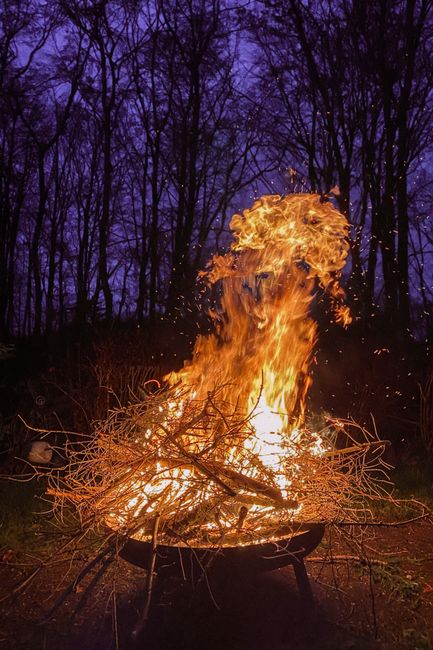
Garden waste is one of those household jobs that sounds minor until it builds up. A few grass cuttings here, a pile of leaves there, then suddenly the garden looks untidy, smells a bit earthy and wet, and you are wondering whether a bonfire would clear it quickly. The trouble is that smoke, ash, and drifting embers can affect neighbours, pets, washing on the line, and air quality. On a still evening, especially in built-up parts of London, the smoke can hang around longer than you expect.
For residents in Greenwich, the key issue is not just whether you can light a bonfire, but whether it is the right choice. Councils generally expect people to avoid causing a statutory nuisance, and that means being careful with smoke, smell, timing, and the type of material being burned. Garden waste disposal matters because the wrong approach can lead to complaints, unpleasant neighbour disputes, and in some cases enforcement action if the smoke becomes a repeated problem.
There is also a wider practical point. Much of the material from a typical garden tidy-up can be composted, chipped, reused, or removed for recycling rather than burned. That is usually cleaner, safer, and less disruptive. If you are already arranging bigger outdoor work, such as hedge reductions, regular mowing, or a full clear-out, it is often easier to plan waste removal in one go through services like hedge trimming, lawn mowing, or a wider services overview.
Expert summary: The safest approach in most Greenwich gardens is to treat bonfires as a last resort, not a default disposal method. If waste can be composted, chipped, reused, or removed, that is usually the better route.
How Greenwich Council bonfire rules and garden waste disposal Works
At a practical level, you are juggling two things: what you are allowed to burn, and how you can dispose of green waste responsibly. The safest way to think about it is this: garden waste should usually be kept separate from general rubbish, and bonfires should only involve dry, untreated garden material if they are used at all. Even then, you should be careful. Wet leaves, damp grass, painted wood, plastics, household rubbish, and anything that creates thick smoke are poor choices and commonly cause complaints.
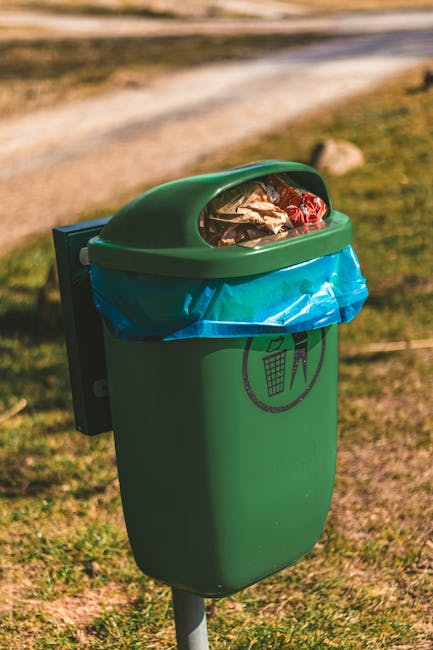
Good garden waste disposal usually follows a simple sequence. First, sort the material. Grass clippings, leaves, hedge trimmings, and small branches can often be bagged, composted, or taken away. Larger cuttings may need chopping down or bundling. If you are dealing with a big cut-back after an overgrown season, a proper clearance job is often more sensible than trying to manage everything in the corner of the garden with a fire pit and a hope.
Second, consider whether the waste can be reused. Fresh green material can become compost if handled correctly. Woody branches may be chipped for mulch. In larger landscaping projects, waste management should be built into the job from the start, which is where landscape gardening or landscaping services can save a lot of time and bother.
Third, if you are still thinking about a bonfire, check the conditions. Wind, dry spells, and nearby homes all matter. A small fire that looks harmless can become annoying very quickly if the wind shifts. And yes, that happens more often than people think. One minute it is a tidy pile, the next minute the whole street knows you are burning garden waste.
Finally, dispose of the ash and remaining residue carefully. Ash should be completely cool before handling, and any leftover material needs to go into the correct waste stream rather than being scattered around the garden. A half-finished bonfire can leave more mess than the original pile. Not ideal.
Key Benefits and Practical Advantages
Using the right garden waste disposal method has a few clear benefits, and they are not just about avoiding complaints. The biggest one is peace of mind. When the work is done properly, you are not left wondering whether smoke will drift into next door's kitchen or whether a stray spark has landed somewhere awkward.
- Less disruption: Bagged, composted, or removed waste causes less smoke and smell than a bonfire.
- Cleaner garden: Proper disposal leaves the space looking finished rather than half-cleared.
- Better neighbour relations: This one matters more than people admit. A good run of hedges or a tidy boundary can improve the mood on both sides of the fence.
- Safer handling: You reduce the risks linked to open flames, embers, and ash.
- More sustainable choices: Recycling green waste or reusing it in the garden often fits better with local sustainability aims.
There is also a practical money angle. While a bonfire might seem "free", it can become expensive if it leads to damage, repeated tidying, or the need to repeat work because the waste was not handled properly in the first place. A clean, organised disposal route often saves time and hassle overall. That is especially true after larger jobs like tree lopping and removal, where branches, twigs, and heavy cuttings can overwhelm a standard garden bin in no time.
And, to be fair, there is a quality-of-life benefit too. A garden that has been properly cleared feels easier to use. You can hear the birds again, see the borders properly, and actually enjoy being outside.
Who This Is For and When It Makes Sense
This topic matters to a surprisingly wide group of people. If you live in Greenwich and you have even a modest garden, you may find yourself needing to dispose of green waste several times a year. That includes homeowners, tenants with small outside spaces, landlords managing rental properties, and anyone who does regular seasonal tidy-ups.
It is especially relevant if you are:
- clearing a garden after winter growth has died back
- cutting back hedges or shrubs
- lifting leaves, grass, and soft green waste after lawn maintenance
- preparing a property for sale or letting
- dealing with a garden that has become overgrown
- planning a landscaping job where waste will be generated in volume
Bonfires sometimes make sense for small, dry, uncontaminated garden waste in the right conditions, but they are rarely the best option in dense residential streets. If your garden is overlooked, close to neighbouring windows, or surrounded by fences and sheds, the margin for error is thin. Very thin.
If your job is bigger than a simple tidy-up, the sensible move is often to combine maintenance with collection. A routine service such as garden maintenance or a one-off garden clearance can be more efficient than trying to manage disposal piecemeal over several weekends.
Step-by-Step Guidance
If you want a sensible, low-stress approach, use the steps below. Nothing fancy. Just the kind of method that keeps you out of trouble and gets the garden sorted.
- Sort the waste by type. Separate grass, leaves, twigs, branches, and any non-organic rubbish. Mixed waste creates more problems later.
- Check whether the material is suitable for burning. Only dry, untreated garden material should ever be considered, and even then, a bonfire may not be the best option.
- Look at the weather and surroundings. Windy days, dry spells, and nearby homes are all reasons to rethink the plan.
- Choose the disposal route. Compost it, chip it, bag it for collection, or arrange removal. If the pile is large, plan a proper clearance.
- Protect the rest of the garden. Keep paths clear, move combustibles away from any fire area, and avoid placing waste beside fences or trees.
- Manage the finish. Cool ash fully, clean the area, and check for any remaining debris.
A small but useful detail: if you are cutting back shrubs or hedges, collect waste as you go rather than leaving it all to the end. It stops the mess from spreading, and it feels less overwhelming. Funny how that works.
For larger or regular jobs, you may also want to coordinate disposal with the right service. Pairing a cut-back with hedge trimming or ongoing garden maintenance keeps the site tidy and cuts down on second-guessing about what to do with the green waste.
Expert Tips for Better Results
Here are the small details that make a big difference in real life.
- Keep waste dry if you plan to store it. Wet grass and damp leaves smell quickly and can turn heavy and awkward to move.
- Use composting where you can. Even a simple compost heap can handle a lot of soft garden waste over time.
- Do not mix in treated timber or rubbish. It changes the burn quality and can create unpleasant smoke. Not worth it.
- Work in manageable batches. A little and often approach is easier than one giant end-of-month clean-up.
- Think about access. If bags or branches have to be carried through the house, it may be smarter to use a collected disposal option.
One thing people often overlook is the knock-on effect of tidy borders and lawns. A neat lawn and clipped hedges reduce the amount of loose debris that gathers in the first place. Services such as lawn mowing and hedge trimming are not just cosmetic; they change how much waste you need to deal with later.
Another small win: if you are doing work in autumn, try to clear leaves before they become sodden mats. That is the point where they stop being "easy green waste" and start becoming a slimy little wrestling match. We have all been there.
Common Mistakes to Avoid
Most problems with bonfires and garden waste disposal come from a handful of predictable mistakes. Once you know them, you can avoid most of the drama.
- Burning wet waste. This creates thick smoke and lots of complaints.
- Using a bonfire as a disposal shortcut for mixed rubbish. Household rubbish, plastics, and treated materials are a bad idea.
- Leaving the fire unattended. Even a small fire can change quickly.
- Ignoring the weather. A calm morning can turn into a blustery afternoon.
- Starting late in the day. If smoke lingers into the evening, neighbours are the ones who have to live with it.
- Underestimating volume. A hedge cut looks small until it is all piled up in sacks by the shed.
Another common issue is trying to do too much in one go with no disposal plan. You end up with a messy garden, a half-burned heap, and no real progress. That is when a service-based approach starts to look attractive, especially for bigger or repeated jobs.
Tools, Resources and Recommendations
You do not need a complicated setup to manage garden waste properly. In most cases, the right tools are simple and practical.
| Method | Best for | Pros | Watch-outs |
|---|---|---|---|
| Composting | Leaves, grass clippings, soft green waste | Low cost, sustainable, useful for the garden | Needs space and patience |
| Bagging for removal | Mixed garden waste and small clearances | Simple, tidy, flexible | Can be labour-heavy if there is a lot of material |
| Chipping or mulching | Twigs, smaller branches, woody cuttings | Reduces volume, creates mulch | Requires suitable equipment |
| Bonfire | Only limited dry, untreated garden waste in suitable conditions | Quick in theory | Smoke, nuisance risk, weather sensitivity |
| Professional clearance | Larger or recurring waste piles | Fast, tidy, low stress | Costs more than doing it yourself |
For most households, a combination of bagging, composting, and occasional professional help is the most realistic approach. If the garden is heavily overgrown or you are dealing with structural changes, an integrated service can be far easier. That is particularly true where waste removal is part of a broader outdoor project, such as landscape gardening or even finishing touches around decking services.
It is also worth paying attention to company policies around safety, insurance, and environmental responsibility if you decide to use a contractor. A trustworthy provider should be clear about how waste is handled and how jobs are carried out. You can usually learn a lot from pages like insurance and safety and health and safety policy.
Law, Compliance, Standards, or Best Practice
Without getting overly legal about it, the main principle is simple: you should not create a smoke nuisance or dispose of waste in a way that causes harm or annoyance. Local expectations in London tend to be especially sensitive because gardens are often close together and air movement between properties can be limited. A fire that seems tiny in your own space can travel surprisingly well across fences and into open windows.
Best practice usually means:
- choosing disposal methods that minimise smoke
- keeping waste streams separate where possible
- avoiding contaminated or treated materials in fires
- checking for neighbours' vulnerability, such as asthma, pets, or washing outdoors
- keeping any burning to a minimum and only when conditions are suitable
In practical terms, if you are ever unsure whether a bonfire is sensible, that uncertainty is usually telling you something. Green waste removal, composting, or a professional clearance is typically the safer route. Councils are generally more interested in outcomes than excuses, and fair enough really.
If you are planning repeated garden work, it helps to align with normal upkeep standards rather than treating waste as an afterthought. A well-managed garden, with regular cutting and sensible disposal, is easier to live with and far less likely to trigger a complaint. It just is.
Options, Methods, or Comparison Table
Here is a straightforward comparison of the main choices people in Greenwich tend to consider.
| Option | Typical effort | Cost profile | Environmental impact | Neighbour impact |
|---|---|---|---|---|
| Bonfire | Low to moderate | Low direct cost | Generally weaker choice | Potentially high if smoke drifts |
| Composting | Moderate at the start | Low once set up | Strong choice for green waste | Very low |
| Kerbside or arranged removal | Low to moderate | Usually more than DIY | Often good if waste is recycled properly | Low |
| Professional clearance | Very low for the homeowner | Higher upfront | Depends on disposal route | Low |
For many homes, the best answer is not one method forever, but a sensible mix. A small compost system for the everyday stuff, plus a professional solution for the big seasonal jobs, often works best. If you are not sure where to start, a clear service page such as services overview is a useful way to see what is available without overcommitting.
Case Study or Real-World Example
Picture a typical Greenwich terrace garden after a spring tidy-up. The hedges have been cut back, the lawn has been edged, and there is a small mountain of clippings in the corner. At first glance it looks manageable. Then you start filling bin bags and realise the pile keeps growing. The branches are awkward, the leaves are damp from last night's rain, and the weather app has decided to be annoying and forecast a breeze later on.
In a situation like that, a bonfire might seem tempting. But if the garden is overlooked and the neighbours are close, smoke is going to be a headache. The cleaner solution is to sort the waste into smaller parts, compost the soft material, and arrange removal for the bulkier cuttings. If the garden has become overgrown or the work is too much for one afternoon, a proper clearance is often the smartest call. It saves time, keeps the space usable, and avoids the classic "I'll deal with the rest tomorrow" problem. Tomorrow, as we all know, has a way of stretching out.
That is the real lesson here. The best disposal method is the one that gets the job done with the least disruption. For many homes, that means fewer fires and more organised waste handling.
Practical Checklist
Use this checklist before you decide what to do with garden waste.
- Have I separated green waste from household rubbish?
- Is the material dry, clean, and suitable for composting or recycling?
- Would a bonfire create smoke that could bother neighbours?
- Is the weather calm enough to avoid drift and nuisance?
- Can I compost, mulch, or bag the material instead?
- Do I have enough time to supervise the job properly?
- Would a larger clearance be safer and easier?
- Have I considered nearby windows, fences, sheds, and dry foliage?
- Is the waste from a larger job that needs a planned removal route?
- Would a professional service save me time and reduce hassle?
If you can answer "yes" to several of the caution points, it is usually a sign to skip the bonfire and choose a cleaner disposal route. A bit boring maybe, but far better than having a smoky evening and apologising over the fence.
Conclusion
Greenwich Council bonfire rules and garden waste disposal are really about balance: keeping your garden tidy without creating smoke, nuisance, or unnecessary risk. In most cases, the most reliable answer is not to burn waste at all, but to sort it, compost it, reuse it where possible, or arrange proper removal. That gives you a cleaner finish and a much calmer evening.
If you are dealing with a simple seasonal tidy-up, a little planning goes a long way. If you are facing a large pile of clippings, branches, and stubborn garden debris, it may be better to bring in help rather than wrestle with it all yourself. Either way, the goal is the same: a garden that looks good, feels manageable, and does not become a source of stress.
And honestly, that is what most people want at the end of the day. A neat garden. A quiet street. No smoke drifting under the neighbour's window at tea time.
Get a free quote today and see how much you can save.
Frequently Asked Questions
Can I have a bonfire in my Greenwich garden?
Possibly, but it depends on the conditions, the material being burned, and whether it will cause smoke or smell to drift to nearby properties. In a dense residential area, a bonfire is often a poor choice even if it seems small and harmless at first.
What garden waste should never be burned?
Household rubbish, plastics, rubber, painted wood, treated timber, and anything that creates toxic or very heavy smoke should not be burned. The cleanest rule is simple: if it is not clean, dry, untreated green waste, do not put it on a fire.
Is it better to compost garden waste instead of burning it?
Yes, for most soft green waste. Composting is usually better for the environment, reduces smoke, and keeps the garden tidier. It is especially useful for grass cuttings, leaves, and smaller plant material.
What should I do with large branches after pruning?
Large branches are often better chipped, bundled for removal, or collected as part of a clearance job. If you are pruning heavily, it is worth planning disposal before you start so the pile does not grow into something awkward.
Can garden waste be put in normal household bins?
Small amounts sometimes can, but large volumes usually cannot and should not. If you are producing a lot of waste, the better route is composting, arranged removal, or a dedicated garden waste solution.
What if my neighbours complain about smoke from a bonfire?
Take it seriously and stop if the smoke is causing a nuisance. It is often better to avoid the issue completely by using another disposal method next time. A friendly neighbour relationship is worth more than saving one bag of clippings.
Is a small bonfire safer in winter?
Not automatically. Winter can still be windy and smoke can be trapped between buildings. A cool evening does not guarantee a safe or acceptable burn. You still need to judge the surroundings carefully.
How can I reduce the amount of garden waste I produce?
Regular maintenance helps a lot. Keeping on top of hedge trimming, lawn mowing, and seasonal pruning means fewer giant clear-outs later. Little and often tends to be the easiest way.
When is a professional garden clearance worth it?
It is usually worth it when the waste is large, awkward, or time-consuming to deal with yourself. If you are already stretched, or if the garden has become overgrown, professional clearance can be the calmer and more efficient option.
What is the safest way to dispose of wet leaves and grass cuttings?
Composting or arranged collection is usually better than burning. Wet material creates more smoke and can be difficult to manage in a fire. If it is very wet and heavy, bagging or a clearance service may be the most realistic approach.
Does landscaping work create a lot of waste?
It can, depending on the scale of the project. Soil, old plants, turf, timber, and cuttings all add up. Good planning makes a big difference, and a proper waste removal plan should be part of the job from the start.
Where can I get help with bigger garden waste jobs?
If the work is beyond a simple tidy-up, start with a service that covers the type of job you need, such as garden clearance, maintenance, or broader outdoor work. It is often the fastest route to a clean finish and a less stressful weekend.