Plumstead gardeners licence insurance and safety standards
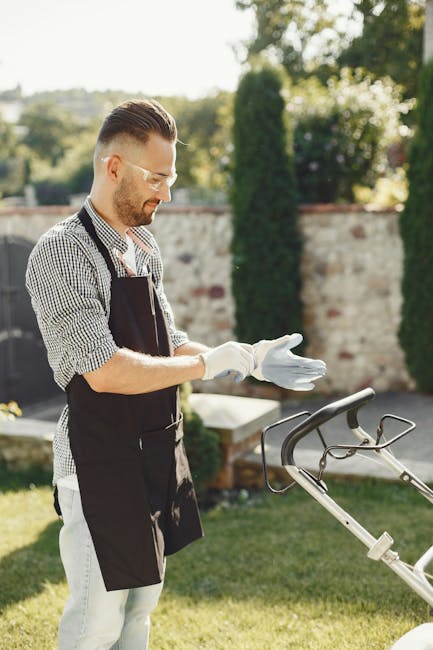
If you are hiring a gardener in Plumstead, the last thing you want is guesswork. You want someone who turns up prepared, works safely, and can show they take insurance and compliance seriously. That is really what Plumstead gardeners licence insurance and safety standards is about: understanding what a professional gardener should be able to prove, what good practice looks like on site, and how to spot the difference between a tidy promise and a trustworthy service.
In practical terms, this topic sits at the crossroads of legal responsibility, public safety, and everyday customer peace of mind. Whether you need regular maintenance, hedge trimming, garden clearance, or a more complex job like landscaping, the same questions apply. Are they insured? Do they follow sensible safety procedures? Do they work in a way that protects your property, neighbours, and the people doing the job? Let's look at it properly.
Why Plumstead gardeners licence insurance and safety standards Matters
Gardening can look simple from the outside. A mower hums, some clippings are bagged, maybe a hedge gets a neat square finish. But behind that calm scene there can be sharp tools, ladders, moving machinery, heavy waste, trip hazards, hidden wildlife, and the occasional awkward driveway. If something goes wrong, the cost is not always small.
That is why insurance and safety standards matter so much. A reliable gardener should not only know how to cut, trim, clear, and shape; they should also know how to reduce risk before work starts. Think of it as the difference between someone who just does the task and someone who manages the job responsibly. To be fair, you notice the difference very quickly once they arrive. One crew checks access, asks about pets, and looks for overhead hazards. Another just starts unloading and hopes for the best. You can probably guess which one gives people more confidence.
The phrase licence can mean different things in different contexts. In local gardening work, it may not always refer to a single universal gardener's licence in the way a taxi driver licence does. More often, it is a shorthand way people use when they ask whether a gardener is properly set up to work legally, insured, and in line with expected safety standards. That includes being able to operate professionally, manage waste correctly, and follow sensible site procedures.
This matters especially in Plumstead, where many gardens involve shared access, terraced homes, narrow side paths, and close neighbours. A careless bit of lifting or a badly managed tree job can create noise, damage, or even a dispute. Nobody wants that. Not the client, not the gardener, and definitely not the neighbour peering over the fence at 8.15 on a damp Tuesday morning.
How Plumstead gardeners licence insurance and safety standards Works
At a practical level, the system is built around three things: legal permission where relevant, adequate insurance, and safe working habits. Each one serves a different purpose.
1. Legal set-up and business responsibility
A professional gardener should be operating as a legitimate business. That usually means being registered appropriately, keeping records, and working within the requirements that apply to their service type. If the job involves transporting garden waste, for example, there may be disposal responsibilities. If it involves work at height or tree-related tasks, the risk profile changes quite a lot. Some services are straightforward; others are not.
For customers, the main point is not to become a compliance officer. It is to know the business has its own house in order. That is why pages such as about the team and the services overview can be useful when you are assessing how a company presents itself. A serious operator usually explains what they do, how they work, and what standards they follow.
2. Insurance that actually protects people
Insurance is one of those things you only really think about when you need it. Public liability cover is the big one most customers expect a gardener to have. It is there to help with accidental damage or injury linked to the work. Depending on the service, other cover may also matter, especially where tools, machinery, vehicles, or more complex operations are involved.
Let's be honest: no one wants to ask for proof of insurance. It can feel a bit awkward. But it is a normal, sensible question. A genuine professional will not be offended. In fact, many will expect it. If they dodge the topic, that tells you more than a polished sales pitch ever could.
3. Safety standards on site
Safety is not just a paperwork thing. It is what happens in the garden, on the patio, by the shed, and at the gate. Good safety standards usually include a visual check of hazards, suitable protective equipment, safe use of tools, and clear communication with the customer. If the work includes hedge cutting, mowing near uneven ground, or clearing dense growth, these checks become even more important.
For example, a routine visit for garden maintenance may simply require tidy working methods and careful tool handling. A larger clearance job can need more planning because of hidden debris, broken glass, thorny growth, or unexpected waste volume. A professional does not assume. They look first.
Key Benefits and Practical Advantages
The obvious benefit is reduced risk. But there are several more, and they matter just as much in day-to-day life.
- Less chance of costly damage to fences, paving, plants, sheds, windows, or neighbour boundaries.
- Better personal safety for anyone on site, including children, pets, and visitors.
- Clearer accountability if something unexpected happens during the job.
- Smoother customer experience because the work is planned rather than improvised.
- More professional results because careful operators tend to be careful finishers too.
There is also a quieter benefit that people often underestimate: peace of mind. You walk into the kitchen, see the bags packed neatly, the path left clear, the tools stored safely, and you exhale a little. That is worth something. A lot, actually.
Another practical advantage is consistency. A gardener who follows safety standards is more likely to work the same way every time, which means fewer surprises. That matters whether you need lawn mowing every fortnight or a one-off garden clearance after a long, wet, overgrown spell.
Who This Is For and When It Makes Sense
This topic matters for almost anyone hiring gardening help in Plumstead, but it is especially relevant in a few common situations.
- Homeowners who want regular upkeep without taking risks with uninsured work.
- Landlords and letting agents who need gardens maintained between tenancies or before inspections.
- Older residents who may need safer, more predictable visits from a trusted local gardener.
- Busy families who need outside spaces kept usable without turning weekends into catch-up time.
- People arranging larger projects like landscape gardening, decking, or tree-related work, where the risks are higher.
It also makes sense if you have a garden that is awkward to access. Narrow side entrances, sloping lawns, shared paths, or old boundary walls can all complicate what looks like a simple job. The more awkward the space, the more you want a gardener who plans properly and carries the right cover.
Truth be told, even a small job can go wrong if someone works carelessly. A cracked paving slab, a damaged hose, or a cut from a tool can be a surprisingly expensive little problem. Small garden, small job. Still not worth gambling on.
Step-by-Step Guidance
If you are trying to assess a gardener in Plumstead, use a process rather than a hunch. It keeps the decision calm and clear.
- Define the job properly. Is it mowing, hedge trimming, clearance, landscaping, or tree work? The risk level changes with the task.
- Ask what insurance they carry. Public liability is the one people most often ask about, but the answer should be explained in plain English.
- Check how they manage safety. Do they mention PPE, safe tool use, waste handling, or site checks before work begins?
- Review their service information. A credible business should explain what it offers and how it works, such as the details on health and safety guidance and insurance and safety.
- Ask about specific risks. If there are pets, children, ponds, fragile fencing, or shared access, say so early.
- Get a clear quote. Pricing should reflect the real scope of work. If you want a clearer idea of how estimates are handled, take a look at pricing and quotes.
- Confirm what happens with waste. Garden waste, rubble, timber, and green waste all need sensible handling and disposal.
- Keep records. A quick note of what was agreed is useful if there is ever confusion later.
A simple example: if you want a hedge cut back and shape restored, the gardener should know whether ladders are needed, whether nearby paths need blocking off, and whether trimmings will be removed or left. That is the sort of thinking you want to hear. Not vague optimism. Planning.
Expert Tips for Better Results
After plenty of real-world garden jobs, a few habits stand out. The good ones save time, reduce risk, and make the end result better. Simple as that.
- Be specific about the garden before the quote. Photos help, but so does a short description of the access, ground condition, and any problem areas.
- Mention hidden risks early. Old nails in timber, loose paving, unstable sheds, overgrown corners, and buried cables are not small details. They matter.
- Choose clarity over charm. A friendly manner is lovely, but you also want direct answers about insurance, methods, and timing.
- Ask how waste is handled. Especially for clearance jobs. Neatly piled bags are one thing; responsible disposal is another.
- Look for order on arrival. A tidy setup usually reflects a tidy working method. Not always, but often enough to matter.
If the job includes specialist work such as tree lopping and removal or more structural outdoor changes like decking services, ask for an even more careful explanation of safety controls. Those jobs carry more risk than a routine mow, and the discussion should feel more detailed, not less.
One small but useful tip: ask who will actually be doing the work. Sometimes the person who quotes is not the person on site. That is not necessarily a problem, but it is worth knowing. Communication is everything really.
Common Mistakes to Avoid
The biggest mistake is assuming all gardeners operate to the same standard. They do not. Another common one is focusing only on price. Cheap can be fine, but cheap with no insurance, no risk planning, and no clear scope? That is where the trouble begins.
- Not asking for proof of insurance or at least a clear explanation of cover.
- Ignoring awkward access issues and expecting the gardener to "just manage it."
- Assuming waste removal is included when it was never discussed.
- Booking complex work without checking safety controls.
- Overlooking the condition of the site before work starts, especially around slippery surfaces, loose stones, or brittle fences.
- Choosing a service solely on speed. Fast is useful. Rushed is different.
There is also a quieter mistake: not reading the service information properly. A company's terms and conditions and policy pages are not thrilling bedtime reading, granted, but they can save you from misunderstandings. Nobody wants a dispute over what was or wasn't included.
Tools, Resources and Recommendations
You do not need specialist industry knowledge to make a good decision. A short checklist, a phone call, and a bit of attention will go a long way. Still, a few resources on the website can help you understand how a professional operator presents itself.
- Services overview for a broad look at the available work.
- Insurance and safety for the company's approach to protection and risk management.
- Health and safety policy for more detail on working practices.
- Recycling and sustainability if your project includes waste handling and greener disposal thinking.
- Garden maintenance if you are comparing regular upkeep against a one-off visit.
Useful questions to keep handy:
- What exactly is included in the quote?
- How is access handled?
- Is waste removal part of the price?
- What safety checks happen before work starts?
- What happens if the weather turns poor halfway through?
That last one matters more than people think. A wet morning in southeast London can change the whole feel of a job. Slippery steps, muddy turf, and wet tools all need a bit more care. A professional knows that.
Law, Compliance, Standards, or Best Practice
It is sensible to approach this topic with a careful distinction: some matters are legal requirements, while others are best practice or strong industry expectation. In everyday customer terms, you do not always need to know the legal detail line by line. You do need to know whether the gardener is operating safely and responsibly.
In the UK, businesses doing outdoor work should pay attention to general health and safety duties, safe equipment use, risk assessment, and appropriate training for higher-risk tasks. If a gardener is doing something more involved than basic maintenance, such as tree work or jobs at height, the expectations become stricter. That is just common sense, really. A ladder, a saw, and a dodgy branch are not a good casual combination.
Insurance is part of this wider picture. It is not a substitute for skill, and skill is not a substitute for insurance. You want both. One protects the quality of the job, the other helps protect against the cost of things going sideways.
Good best practice usually includes:
- careful site checks before work begins
- clear communication about hazards and access
- appropriate protective equipment
- safe storage and handling of tools
- clean-up routines that leave the site usable and tidy
- respect for neighbours, shared boundaries, and property features
If you are ever unsure, ask the gardener how they approach risk. A good answer should sound practical, not rehearsed. You are looking for calm competence. That quiet, slightly boring confidence. It is underrated.
Options, Methods, or Comparison Table
When choosing a gardener, people often compare service style rather than just price. That is the right instinct. The cheapest option is not always the safest, and the most polished website is not always the most reliable. Here is a simple comparison to help frame the decision.
| Option | Typical approach | Best for | Main caution |
|---|---|---|---|
| Basic ad hoc gardener | May handle simple jobs without much structure | Very small, low-risk tasks | Insurance and safety standards may be unclear |
| Established local gardening service | Usually follows a clearer process and customer communication flow | Regular maintenance, hedge work, and mixed garden tasks | Still worth checking insurance and scope |
| Specialist service for complex work | More likely to plan for access, risk, and equipment needs | Tree work, clearance, landscaping, decking, or awkward sites | Cost may be higher because the risk and planning are higher |
In many cases, the middle option is the sweet spot for homeowners. A professional local service with sensible procedures can be a very good fit for lawn mowing, hedge trimming, seasonal tidy-ups, and ongoing care. If the garden is more complex, it may be wise to ask more detailed questions and check related pages such as landscaping or landscape gardening.
Case Study or Real-World Example
A Plumstead homeowner had let the back garden slide for a few months. Nothing dramatic. Just the usual slow creep: grass too long, hedge pushing into the path, and a corner of the garden holding damp leaves and old cuttings. The first instinct was to book the cheapest option and get it done quickly. Fair enough. The quote looked attractive.
But once the details were discussed, it turned out the job needed access through a narrow side passage, careful handling near a cracked fence panel, and removal of a surprising amount of waste. The homeowner also had a dog that used the garden daily. Those are ordinary details, but they change the work.
The better outcome came from asking a few more questions. The gardener explained how they would protect the path, keep tools away from the dog's route, and manage the green waste safely. The job took a little longer than expected, but the result was calm and tidy rather than hurried and messy. The hedge came back into shape, the lawn was levelled out, and the space felt usable again.
No drama. No broken fence. No awkward call the next day. Just a sensible, well-managed job. That is what good insurance and safety standards buy you in real life: fewer surprises and a better finish.
Practical Checklist
Use this checklist before you book any gardener in Plumstead. It keeps the conversation grounded.
- Have I clearly described the job?
- Have I asked what insurance is in place?
- Do I understand how the work will be done safely?
- Have I mentioned pets, children, and access issues?
- Do I know whether waste removal is included?
- Has the quote explained the scope properly?
- Have I checked the relevant service or policy pages?
- Do I feel comfortable that the gardener is organised and clear?
If you want a good all-round starting point, the company's contact page is a sensible way to ask direct questions, and pricing and quotes can help you understand how the process is handled. No need to overcomplicate it. Good questions now save headaches later.
Get a free quote today and see how much you can save.
Conclusion
Plumstead gardeners licence insurance and safety standards are not just dry compliance language. They are the practical foundation of trustworthy outdoor work. They protect people, property, and the quality of the job itself. When you choose a gardener who takes those things seriously, the whole experience tends to feel easier, calmer, and more professional.
Whether you need routine maintenance, hedge trimming, a bigger clearance, or a more involved garden transformation, the same principle applies: ask clear questions, expect clear answers, and value the people who plan before they act. That simple habit can save time, money, and a fair bit of stress.
If the garden is waiting for attention, this is one of those small decisions that can make a big difference. And honestly, a well-run job on a damp afternoon, with the scent of cut grass in the air and the path left clean behind it, can feel oddly satisfying.
Frequently Asked Questions
What does Plumstead gardeners licence insurance and safety standards actually mean?
It is a practical way of asking whether a gardener is properly set up to work legally, safely, and with suitable insurance. It covers the business side, the risk side, and the on-site working method.
Do gardeners in Plumstead need a licence?
Not every gardening task requires a formal licence in the everyday sense people mean it. But a professional gardener should still be operating lawfully, following any relevant rules, and meeting normal business and safety expectations.
What insurance should a gardener have?
Public liability insurance is the main cover customers usually expect, because it helps if accidental damage or injury occurs during the work. Depending on the services offered, other cover may also be relevant.
How can I check if a gardener is insured?
Ask them directly and request a clear explanation of their cover. A trustworthy gardener should answer calmly and without fuss. If they avoid the question, that is a warning sign.
Why are safety standards important for simple jobs like lawn mowing?
Even simple jobs involve moving equipment, uneven ground, flying debris, and nearby obstacles. Safety standards help prevent damage and reduce the chance of injury, even during routine visits.
Are tree jobs or hedge work higher risk than mowing?
Yes, usually. Work involving ladders, height, chainsaws, or dense overgrowth carries more risk and needs more careful planning. That is why you should ask more detailed questions for those services.
Should I ask about waste removal before booking?
Absolutely. It is one of the most common areas of misunderstanding. Ask whether waste removal is included, how it is handled, and whether extra charges apply.
What should a safe garden visit look like?
You should see clear communication, sensible tool handling, a quick look for hazards, and a tidy working approach. Good gardeners usually ask about pets, access, and fragile areas before they begin.
Is the cheapest quote always the worst option?
Not always, but very low prices can sometimes mean limited cover, rushed work, or unclear scope. It is better to compare what is included rather than looking at price alone.
Where can I find more information about a gardener's approach to safety?
Look for service and policy pages such as insurance and safety and health and safety policy. Those pages can tell you a lot about how a company works in practice.
What if my garden has awkward access or fragile features?
Tell the gardener before they quote. Narrow paths, sloping ground, old fences, ponds, pets, and shared access can all affect the job. A good professional will factor that in rather than treating it as a surprise.
How do I choose between regular maintenance and a one-off clearance?
If the garden just needs ongoing care, regular maintenance may be the better fit. If things have become heavily overgrown or cluttered, a one-off clearance may be more appropriate. You can compare the details on garden maintenance and garden clearance.
Sometimes the best decision is the one that feels calm and practical, not flashy. That usually means asking a few good questions, trusting clear answers, and choosing the gardener who seems prepared before they even pick up a tool.