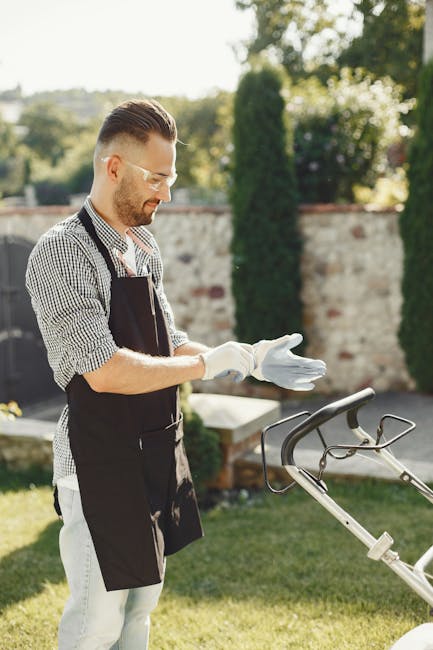
Plumstead gardeners same day emergency garden clearance SE18
If your garden has gone from manageable to chaotic in a day, you are probably not looking for a long explanation. You want it cleared, made safe, and handled properly. That is exactly where Plumstead gardeners same day emergency garden clearance SE18 comes in. Whether the issue is storm damage, a broken fence panel, a fly-tipped pile, or overgrowth that has suddenly become a trip hazard, rapid garden clearance can take the pressure off fast.
In a place like Plumstead, where homes and gardens often sit close together, a blocked path or overflowing border can become more than an eyesore. It can affect access, safety, neighbours, and even how secure your property feels. This guide breaks down what same day emergency garden clearance actually involves, when you need it, what to expect, and how to choose the right help without making a rushed decision you later regret. Simple, practical, no fluff.
For a broader view of local garden support, you may also find the services overview useful, especially if your clearance job is part of a bigger tidy-up or recovery plan.
Table of Contents
- Why Plumstead gardeners same day emergency garden clearance SE18 Matters
- How Plumstead gardeners same day emergency garden clearance SE18 Works
- Key Benefits and Practical Advantages
- Who This Is For and When It Makes Sense
- Step-by-Step Guidance
- Expert Tips for Better Results
- Common Mistakes to Avoid
- Tools, Resources and Recommendations
- Law, Compliance, Standards, or Best Practice
- Options, Methods, or Comparison Table
- Case Study or Real-World Example
- Practical Checklist
- Conclusion
- Frequently Asked Questions
Why Plumstead gardeners same day emergency garden clearance SE18 Matters
Emergency clearance is not just "getting rid of a mess". It is often a quick response to a garden condition that is causing immediate problems. Think blocked access to a side return, a fallen branch leaning across a path, bags of waste building up after works, or a garden that has been left unsafe after bad weather. You do not want to wait three weeks for help when the garden is already affecting day-to-day life.
In SE18, weather can turn a calm garden into a problem very quickly. A windy afternoon, a heavy rain spell, then suddenly there are branches, broken pots, scattered soil, and wet debris everywhere. If children, elderly relatives, tenants, or customers need to move through the space, speed matters. Truth be told, some clearances are as much about reducing stress as reducing clutter.
There is also a practical property angle. A garden left in a poor state can attract pests, create odours, make maintenance harder, and become a weak point for security. If fencing is damaged or dense growth is hiding access points, the issue moves beyond looks. You start dealing with visibility, safety, and peace of mind. Who needs more of that on a hectic day?
Expert summary: Same day emergency clearance is best used when a garden issue is actively stopping normal use, creating a safety concern, or making the property harder to manage. The key is to clear fast, but with care.
How Plumstead gardeners same day emergency garden clearance SE18 Works
Same day emergency garden clearance is usually a straightforward process, but a good one should still be organised. It starts with a clear description of the problem. The more specific you are, the better. A fallen tree limb, a broken shed panel, and an overgrown front garden all need slightly different planning, equipment, and waste handling.
Once the job is understood, the gardener or clearance team will normally assess what can be safely removed, what needs cutting back, and whether any extra labour or equipment is needed. In many cases, the aim is to restore safe access first, then leave the garden presentable enough for follow-up work later. That makes sense, because emergency clearance is often about stabilising a situation rather than making everything perfect in one visit.
A typical same day job may involve cutting back overgrowth, removing loose debris, loading waste, sweeping paths, and clearing access routes. If the garden is heavily blocked, the team may work in layers: first the dangerous or obstructive material, then the heavier waste, then the finishing tidy-up. You will notice the difference immediately when a path is visible again and the space stops feeling cramped.
Many customers also ask about the difference between clearance and gardening. A simple way to think about it: clearance deals with removal and immediate restoration of usable space; gardening is more about ongoing care, shaping, and maintenance. They overlap, of course, but the priority on an emergency job is usually speed and safety.
Key Benefits and Practical Advantages
The obvious benefit is speed, but that is only part of it. A same day clearance can reduce the chance of a minor problem turning into a bigger one. For example, damp piled-up branches can start to smell, slippery leaves can create a fall risk, and blocked drains or gullies can worsen if loose debris is left sitting in the wrong place. It sounds dramatic, but it happens more often than people expect.
There is also a mental benefit. A cluttered outdoor space can feel oddly heavy. Once the mess is gone, the whole property tends to feel more manageable. If you have been staring at a neglected patch for days, the relief can be immediate. Almost like someone opened a window.
Other practical advantages include:
- Safer access to doors, bins, paths, and shared outdoor areas
- Reduced trip hazards from broken branches, pots, tools, or loose waste
- Better security visibility around fences, gates, and boundary lines
- Faster preparation for moving out, letting, repairs, or inspections
- Less stress when the garden has become too much to handle alone
For people comparing longer-term garden support, it can help to look at pricing and quotes early. That way, a quick emergency call can still fit within a sensible budget rather than becoming a panic purchase.
Who This Is For and When It Makes Sense
This kind of service suits a fairly wide range of people. Homeowners often need it after storms, holidays away, or a period where the garden has simply got away from them. Landlords may need urgent clearance before a tenancy handover, inspection, or repair visit. Letting agents and property managers often need a rapid turnaround because access, presentation, and safety all matter at once.
It also makes sense for:
- people returning from a period away to find the garden overrun
- families dealing with fallen debris after bad weather
- older residents who cannot safely lift or cut back heavy growth
- tenants who need to restore a garden before checkout
- business premises with outdoor frontage or side access that has become unusable
There are times when a same day job is the right call and times when it is not. If the garden just needs a routine tidy, you may get better value from a standard appointment. But if you cannot safely get to the shed, the bins, or the back door, waiting is not ideal. Let's face it, "we'll sort it next month" rarely helps an urgent mess.
If you are unsure whether your situation is urgent enough, a direct conversation through the contact page is usually the quickest way to judge the next step.
Step-by-Step Guidance
Here is a sensible way to handle an emergency garden clearance without feeling overwhelmed.
- Take a quick look at the risk. Identify what is unsafe, blocked, broken, or likely to get worse if left.
- Move only what is safe to move. Do not lift heavy branches, rusted metal, or unstable piles if you are unsure. A dodgy knee or a sharp edge can ruin your day fast.
- Photograph the garden. This helps you explain the scale of the job clearly and gives you a record of the condition beforehand.
- List the priorities. For example: clear the path, remove fallen waste, cut back access points, then tidy the front and rear borders.
- Ask how waste will be handled. Responsible disposal matters. You want the mess removed, not shifted into a mystery pile elsewhere.
- Confirm timing and access. Make sure the team knows where to enter, where to park, and whether there are any security codes or shared gates.
- Decide whether follow-up work is needed. Emergency clearance is often the first step, not the last.
A good job usually starts with clarity. If the team arrives and has to guess what you need, you lose time. And on a same day job, time is the whole point.
Expert Tips for Better Results
In our experience, the best emergency clearances are the ones where the customer focuses on outcomes rather than trying to micromanage every branch. Say what needs to be made safe, what needs removing, and what should be left alone. That gives enough direction without slowing the job down.
Here are a few tips that genuinely help:
- Separate "must remove" from "could remove". This keeps the job focused if time is limited.
- Be honest about hidden access problems. Narrow side alleys, locked gates, and rear-only entry can all affect the pace.
- Point out fragile items. Lightweight furniture, irrigation lines, ornaments, and buried cables are easy to miss.
- Ask for a finish standard. For example, "safe and swept" is different from "fully detailed and ready to use".
- Consider seasonal timing. Wet leaves, windblown rubbish, and fast-growing summer growth all change how a clearance should be approached.
One small thing people often forget: if you need the garden to be usable for children or pets later that day, say so at the start. That changes how carefully loose materials, sharp ends, and small debris are handled. A sensible team will work with that in mind.
You can also review health and safety guidance and insurance and safety information if reassurance matters before booking. It is never a bad idea to check how a provider approaches risk. Not glamorous, admittedly, but useful.
Common Mistakes to Avoid
Urgent situations make people move quickly, and that is understandable. Still, a few common mistakes can create more hassle than they solve.
- Only describing the visible mess. Hidden issues like unstable fencing or blocked access should be mentioned too.
- Trying to clear everything yourself first. If it is sharp, heavy, or unstable, leave it alone.
- Assuming all clearance jobs are the same. A light tidy and a post-storm clearance are not remotely identical.
- Skipping waste disposal questions. Disposal should be clear and responsible.
- Choosing on price alone. The cheapest option is not always the safest or quickest, especially when the garden is awkward to access.
- Forgetting neighbours or shared spaces. If waste or access affects a party wall, alley, or communal route, mention it early.
Sometimes the biggest mistake is waiting because the problem feels awkward to explain. Don't do that. A messy garden is not a moral failing. It is just a job that needs sorting.
Tools, Resources and Recommendations
You do not need to know every tool used on site, but it helps to understand what a team may bring. Emergency clearance often requires cutting tools, sturdy gloves, wheelbarrows, waste sacks, tarps, rakes, and sometimes ladders or pruning gear for higher or awkward growth. If the job involves wet material, heavy branches, or thorny hedging, the right kit matters more than most people realise.
For the homeowner or tenant, the useful "resources" are less about equipment and more about preparation:
- clear a parking space if possible
- unlock gates and make entry easy
- keep pets indoors during the work
- mark any delicate plants, cables, or irrigation points
- have a quick list of priorities ready
If you are comparing services or planning a wider tidy-up after the emergency is handled, the services overview can help you understand what follow-on work might be sensible. And if you are thinking about ongoing maintenance, a same day clearance can often be the first clean break that makes everything else easier.
Law, Compliance, Standards, or Best Practice
For garden clearance in the UK, the main practical concerns are safe working, responsible waste handling, and respecting property boundaries. You do not need to turn it into a legal project, but you do want to know the basics are covered. If a team is removing green waste, branches, soil, old timber, or mixed garden debris, it should be handled in a way that reflects normal UK waste and safety expectations.
Best practice usually means:
- working safely around hidden hazards such as glass, nails, or rot
- protecting people, pets, and neighbouring property during removal
- disposing of waste responsibly rather than dumping it informally
- being clear about what is included in the job
- carrying suitable insurance for the type of work being done
If a job looks risky, needs access near a wall or boundary, or involves heavy lifting, it is sensible to ask about safety arrangements before work starts. The right answer should feel straightforward, not evasive. Compliance is one of those topics that sounds dry until something goes wrong. Then it matters a lot.
For customers who care about environmental handling, recycling and sustainability information is worth checking too, especially if your clearance includes a large amount of green waste or reusable material.
Options, Methods, or Comparison Table
There is more than one way to deal with an urgent garden mess. The best choice depends on how fast you need it done, how risky the job is, and how much waste there is.
| Option | Best for | Pros | Limitations |
|---|---|---|---|
| DIY tidy-up | Light clutter, small green waste, low-risk jobs | Low direct cost, immediate if you already have tools | Slow, physically demanding, not ideal for heavy or unsafe material |
| Same day emergency clearance | Blocked access, storm debris, overgrowth, urgent safety concerns | Fast response, safer handling, less disruption | May cost more than routine work and depends on availability |
| Scheduled garden clearance | Non-urgent but substantial overgrowth or waste buildup | More time to plan, often better for bigger projects | Not suitable if you need access restored today |
| Clearance plus follow-up maintenance | Gardens that need both immediate recovery and ongoing care | Restores order now and prevents repeat problems | Requires planning, possibly staged visits |
For many Plumstead households, the best path is emergency clearance first, then a maintenance plan after the pressure has dropped. That way you are not trying to solve every garden problem at once. A little breathing room helps.
Case Study or Real-World Example
Picture a typical SE18 scenario. A homeowner returns after a stormy night and finds a narrow side passage partly blocked by snapped branches, wet leaves, and a broken planter. The back gate is still there, but not exactly welcoming. Bins cannot come out cleanly, the path is slippery, and the whole area feels awkward to use.
In that kind of situation, same day garden clearance would usually focus on the visible blockers first. Loose branches go, the path gets cleared, the wet debris is removed, and the access route is made safe enough to walk through. If a fence panel is loose, it is flagged for repair rather than ignored. The garden is not "finished" in a perfect sense, but it is usable again. That is the point.
What tends to surprise people is how much better the property feels once the access route is back. The front gate opens easier, the side return stops looking like a hazard, and even the indoor space feels calmer because the mess is no longer pressing against it. Small win? Maybe. But a real one.
Practical Checklist
Use this checklist before the team arrives or before you book:
- Identify the urgent problem and why it cannot wait
- Take a few photos of the garden from different angles
- List anything fragile, sharp, or hidden
- Confirm how access will work
- Decide which areas are highest priority
- Keep pets and children away from the work zone
- Ask what waste removal includes
- Check whether follow-up gardening will be needed
- Review safety and insurance details if you want reassurance
- Confirm payment expectations and timing through payment and security information
Quick takeaway: the best emergency clearances are clear, focused, and safe. If the job is described well, it gets handled better. If the access is easy, it gets done faster. Nothing fancy, just good preparation.
Conclusion
When a garden becomes unsafe, blocked, or simply unmanageable, fast action can make a big difference. Plumstead gardeners same day emergency garden clearance SE18 is about restoring order quickly and sensibly, not creating more stress. Done well, it gives you safe access, a clearer property, and a much better starting point for any follow-up work.
Whether the issue is storm debris, overgrowth, broken garden waste, or an urgent access problem, the right support should feel calm, practical, and reliable. You should be left with a space that makes sense again, not just a pile moved from one corner to another. That's the standard worth aiming for.
Get a free quote today and see how much you can save.
If you want to learn more about the team behind the service, take a look at about us, or explore the contact options when you are ready to move forward. A quick conversation now can save a lot of messing about later.
Frequently Asked Questions
What counts as a garden clearance emergency?
An emergency usually means the garden is unsafe, blocked, or causing immediate disruption. That might include fallen branches, storm damage, overgrown access routes, or waste that is making a path unusable.
Can same day emergency garden clearance really be arranged in SE18?
Often, yes, depending on availability, the size of the job, and access. The clearer you are about the problem, the easier it is to assess whether same day attendance is realistic.
How is emergency clearance different from regular gardening?
Emergency clearance focuses on urgent removal, safety, and restoring access. Regular gardening is more about shaping, maintenance, and longer-term improvement. They overlap, but the priority is different.
Will the team remove all the waste?
That depends on the scope agreed in advance. A good provider should make it clear what is included, especially if the job involves mixed waste, large branches, or awkward access.
What if my garden has dangerous debris like glass or nails?
Tell the team before they arrive. Hazardous debris changes the approach and should be handled carefully. If you can avoid touching it yourself, that is usually the sensible move.
Do I need to be at home during the clearance?
Usually yes, or at least available to grant access and confirm priorities. Some jobs can be arranged with limited supervision, but that should only happen if all details are clear beforehand.
How much does same day emergency garden clearance cost?
Costs vary depending on the amount of waste, how difficult access is, and how urgent the work is. For an accurate figure, it is best to request a tailored quote rather than guessing.
Can emergency clearance include overgrown hedges and brambles?
Yes, often it can. Heavy growth is one of the most common reasons people call for urgent help, especially when access or visibility has been affected.
Is it worth booking follow-up maintenance after the emergency job?
Usually, yes. A clearance solves the immediate problem, but follow-up maintenance helps stop the same issue building up again. It is the calmer, less frantic way to keep control.
What should I ask before booking a clearance team?
Ask about timing, waste removal, access requirements, insurance, safety practices, and what the finished result will look like. A few direct questions now can save misunderstandings later.
Are there any payment or security checks I should look for?
Yes. It is sensible to understand how payment works, whether the process is secure, and what terms apply before work begins. You can review the provider's terms and conditions and payment and security information for reassurance.
What if I am not happy with the work?
You should raise it promptly and follow the provider's complaints process. Clear communication usually resolves most issues faster than letting them sit. If you want to see how that is handled, a published complaints procedure is a useful sign that the business takes customer concerns seriously.
One last thought: an overgrown or damaged garden can feel like a bigger job than it really is. Once it starts moving again, things usually improve faster than you expect. And that first cleared path? It genuinely changes the mood of the place.